The Wisdom of Nature: Artists & Scientists on The Beauty & Fragility of Our Planet

The Wisdom of Nature: Artists & Scientists on The Beauty & Fragility of Our Planet

Artists & Scientists on The Beauty & Fragility of Our Planet

The Earth is talking. Are we listening? In this special edition, we hear from our guests from across the arts and sciences. From composers and poets to forest ecologists and climate envoys, they tell the story of our planet. Moving beyond the data of destruction, we explore the intelligence of nature, the ethics of what we eat, and the empathy required to save our future.

Speaking Out of Place - DAVID PALUMBO-LIU on Reclaiming Our Political Voices - Highlights

Speaking Out of Place - DAVID PALUMBO-LIU on Reclaiming Our Political Voices - Highlights

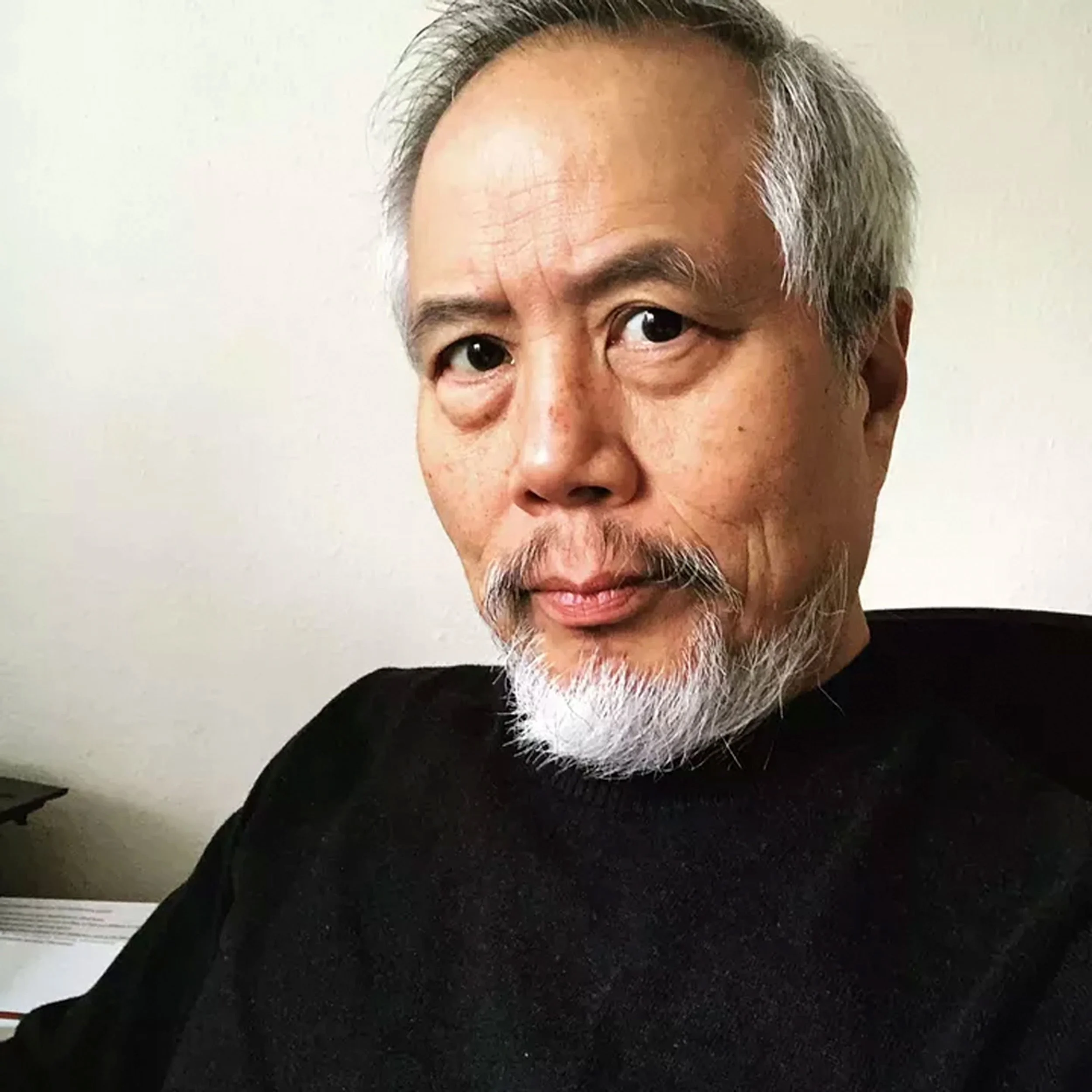
Stanford Professor, Author & Host of Speaking Out of Place DAVID PALUMBO-LIU on the urgent need to reclaim our political voices and the forces that silence dissent

There is a dispute about what the American Dream is or how it would play out in different circumstances. The American dream has essentially been narrowed into a white Christian nationalist notion of things so that everything that falls outside what they imagine that to be is not only undesirable, but should be the subject of extermination, deportation, and detention. I am heartened by the fact that more of our 'better angels' are emerging with a more capacious and expansive notion of what the American dream could be.

Reclaiming the American Dream with DAVID PALUMBO-LIU – Stanford Professor, Author & Host, Speaking Out of Place

Reclaiming the American Dream with DAVID PALUMBO-LIU – Stanford Professor, Author & Host, Speaking Out of Place

Stanford Professor, Author & Host of Speaking Out of Place DAVID PALUMBO-LIU on the urgent need to reclaim our political voices and the forces that silence dissent

There is a dispute about what the American Dream is or how it would play out in different circumstances. The American dream has essentially been narrowed into a white Christian nationalist notion of things so that everything that falls outside what they imagine that to be is not only undesirable, but should be the subject of extermination, deportation, and detention. I am heartened by the fact that more of our 'better angels' are emerging with a more capacious and expansive notion of what the American dream could be.

The Writer's Voice: Novelists, Poets, Memoirists & Editors Share Their Stories

The Writer's Voice: Novelists, Poets, Memoirists & Editors Share Their Stories

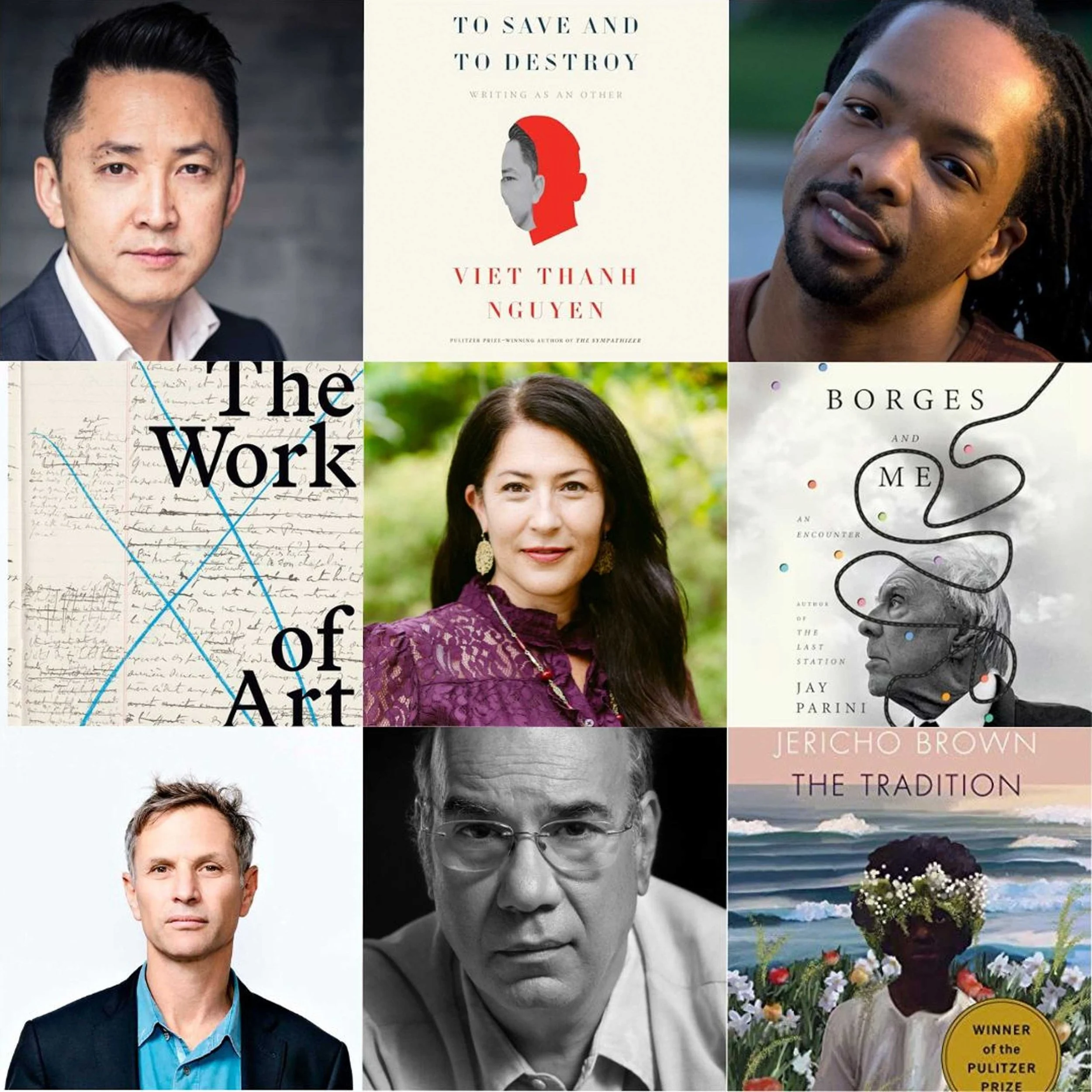
VIET THANH NGUYEN, ADA LIMÓN, JAY PARINI, JERICHO BROWN & ADAM MOSS Share Their Stories

How do writers develop their voice? How are writing and the arts paths back to the self, showing us what is important in life?

Writers on Memory, Language & the Power of the Unconscious

Writers on Memory, Language & the Power of the Unconscious

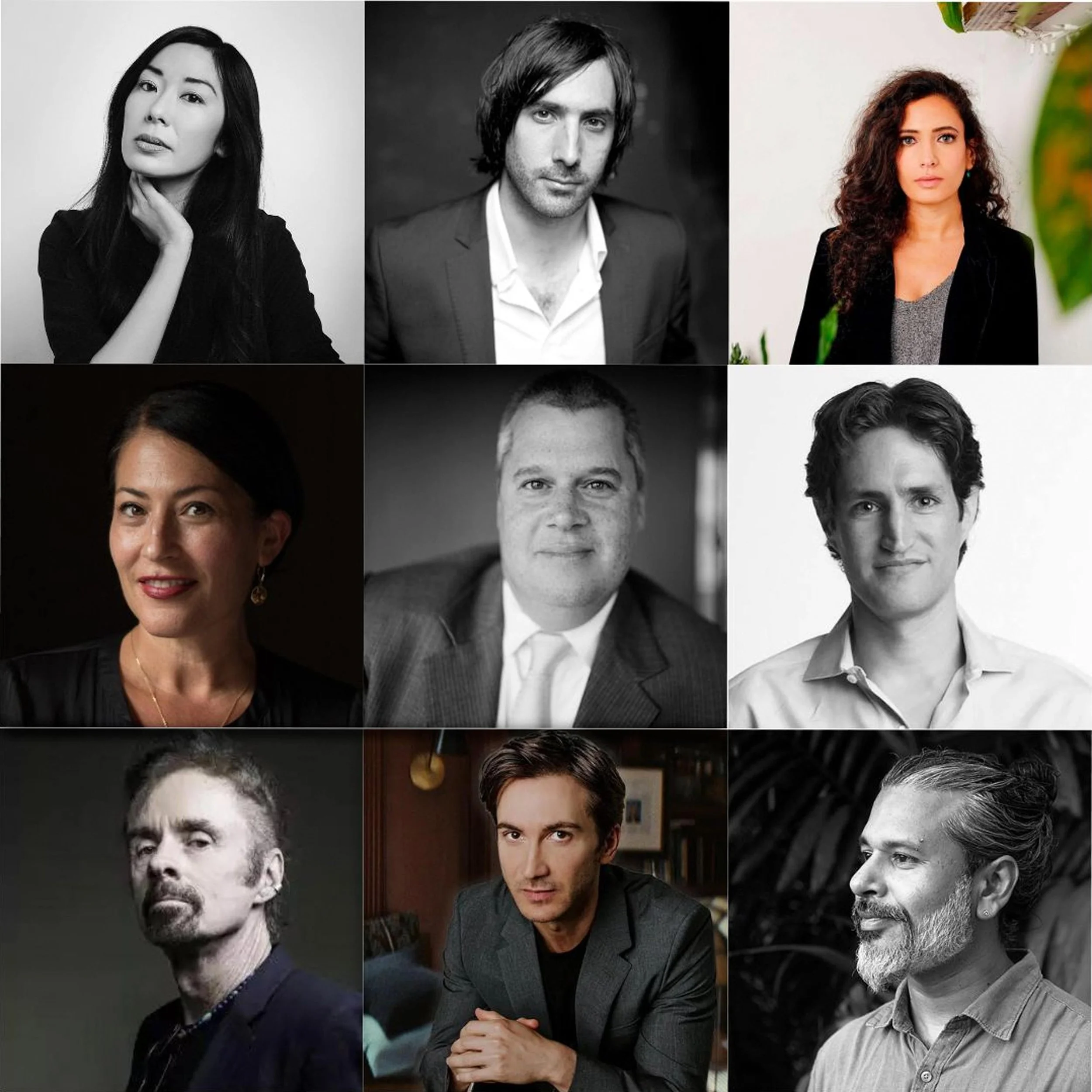
Katie Kitamura, Paul Lynch, Daniel Pearle, Hala Alyan, T.C. Boyle, Adam Alter, Shehan Karunatilaka, Daniel Handler a.k.a Lemony Snicket, and Ada Limón share their stories

How can we use negative spaces in fiction to engage with readers’ imaginations? How are memory and trauma passed onto us through language? How do we become more than the stories we tell ourselves?

The AI Wager: Betting on Technology’s Future w/ Philosopher & Author SVEN NYHOLM - Highlights

The AI Wager: Betting on Technology’s Future w/ Philosopher & Author SVEN NYHOLM - Highlights

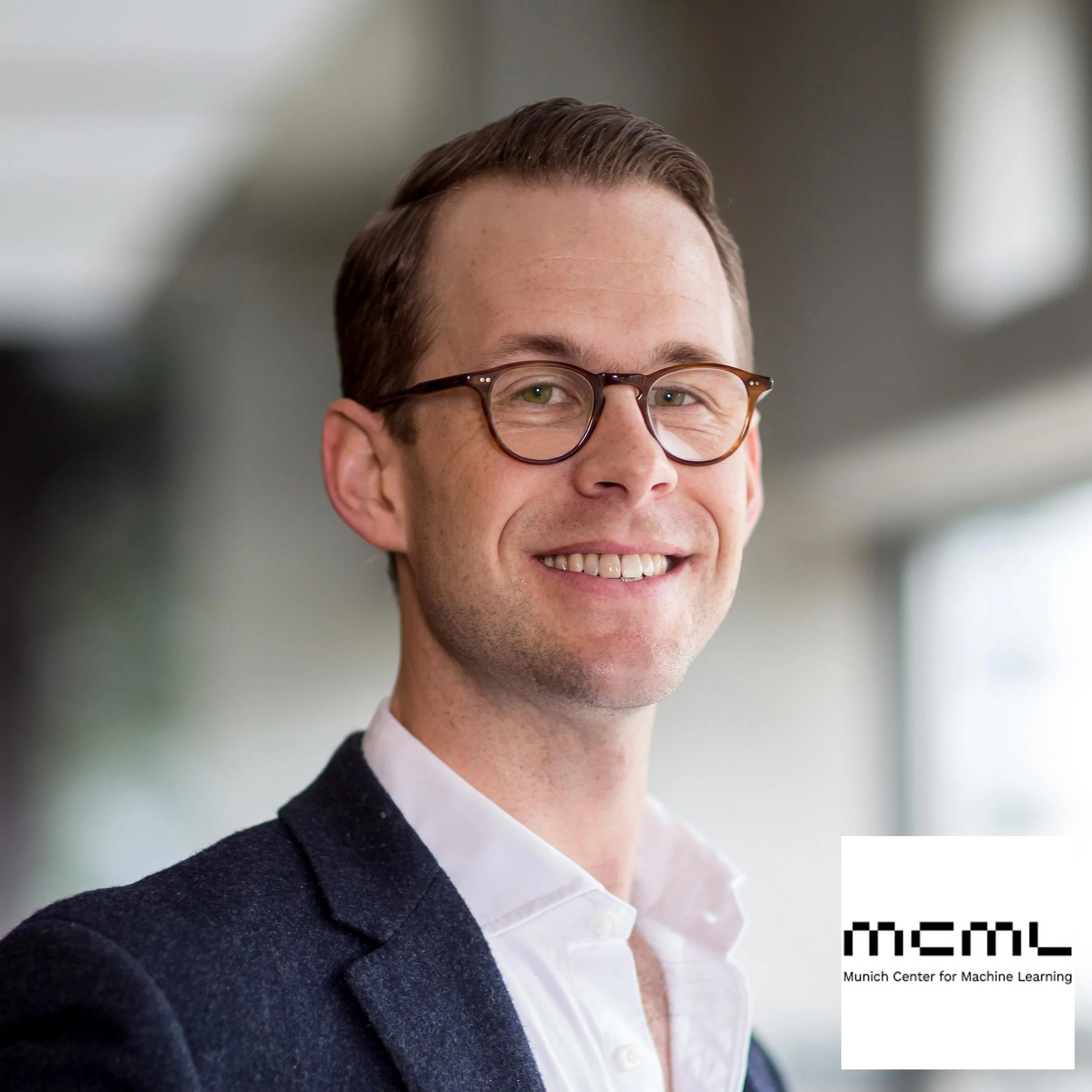
Conversation with SVEN NYHOLM, Prof. of Ethics of AI, LMU Munich · Lead Investigator, AI Ethics, Munich Center for Machine Learning · Author of Humans and Robots · The Ethics of Artificial Intelligence

 I think we're betting on AI as something that can help to solve a lot of problems for us. It's the future, we think, whether it's producing text or art, or doing medical research or planning our lives for us, etc., the bet is that AI is going to be great, that it's going to get us everything we want and make everything better. But at the same time, we're gambling, at the extreme end, with the future of humanity  , hoping for the best and hoping that this, what I'm calling the AI wager, is going to work out to our advantage, but we'll see.

The Ethics of AI w/ SVEN NYHOLM, Author & Lead Researcher, Munich Centre for Machine Learning

The Ethics of AI w/ SVEN NYHOLM, Author & Lead Researcher, Munich Centre for Machine Learning

Conversation with SVEN NYHOLM, Prof. of Ethics of AI, LMU Munich · Lead Investigator, AI Ethics, Munich Center for Machine Learning · Author of Humans and Robots · The Ethics of Artificial Intelligence

 I think we're betting on AI as something that can help to solve a lot of problems for us. It's the future, we think, whether it's producing text or art, or doing medical research or planning our lives for us, etc., the bet is that AI is going to be great, that it's going to get us everything we want and make everything better. But at the same time, we're gambling, at the extreme end, with the future of humanity  , hoping for the best and hoping that this, what I'm calling the AI wager, is going to work out to our advantage, but we'll see.

BASQUIAT: The Price of Fame w/ Author DOUG WOODHAM - Highlights

BASQUIAT: The Price of Fame w/ Author DOUG WOODHAM - Highlights

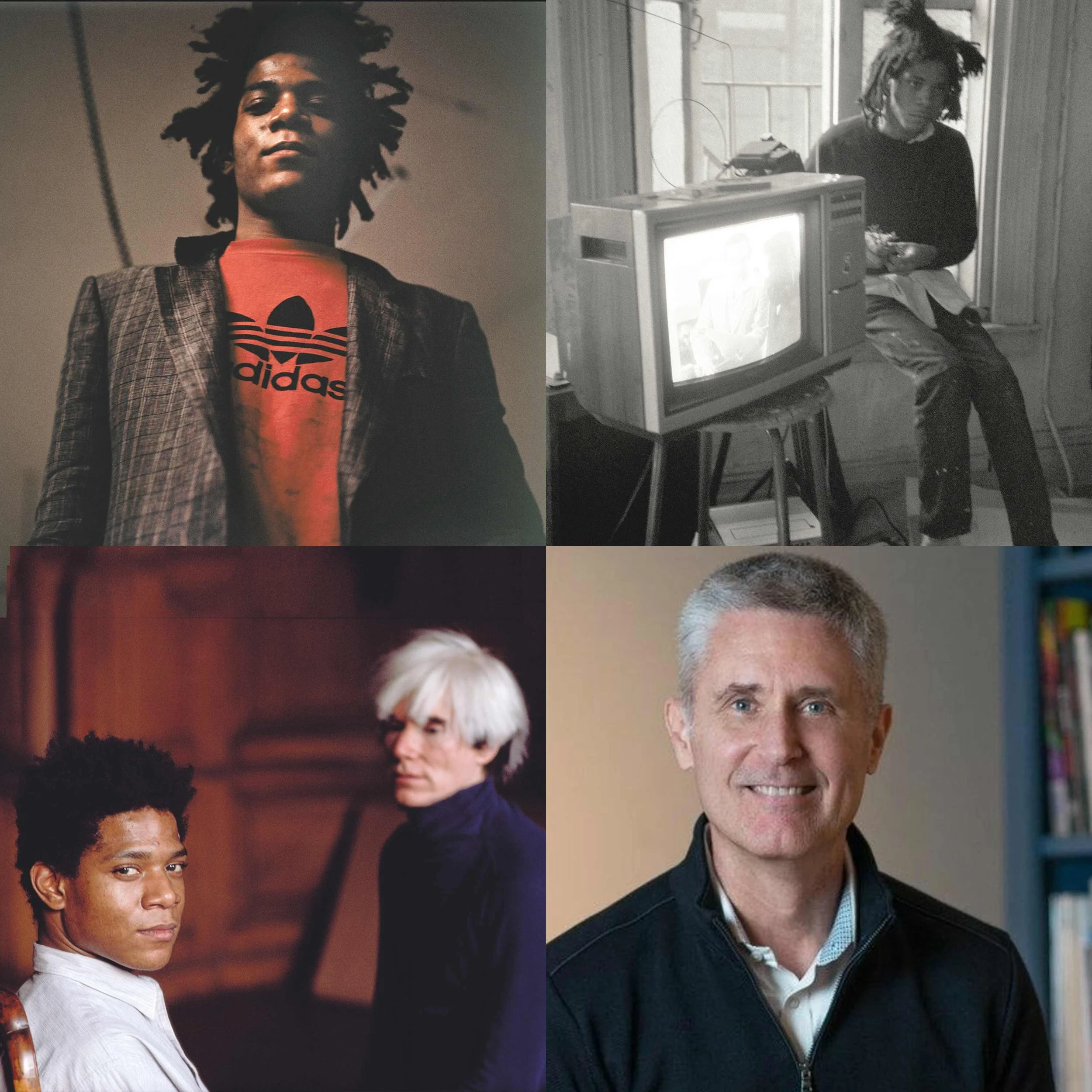
A Conversation with Author DOUG WOODHAM
Managing Partner, Art Fiduciary Partners

All of the great artists are there for a reason: because they rebelled in some way. They created a visual vocabulary that felt fresh and new, which excited people. So, the great artists are not built on sort of anthills of sand. They're built on things of substance and of meaning. Though this is not a sufficient condition to become an icon, it's a necessary but not sufficient condition. I think you have to have an interesting and vivid personality or personal narrative that makes you interesting for people to talk about and want to learn about. I think you also have to have a support network of galleries, curators, and collectors who are excited about your work and want to push it forward, not wanting it to be forgotten. Basquiat's visual vocabulary is distinctive and stands out relative to what was being done in the 1980s. That's the sort of strong hill on which his reputation is built. Basquiat benefited from being the first black artist of note who got pushed forward. As in many things, the first benefits.

JEAN-MICHEL BASQUIAT: The Making of an Icon with DOUG WOODHAM, Fmr. President of Christie's Americas

JEAN-MICHEL BASQUIAT: The Making of an Icon with DOUG WOODHAM, Fmr. President of Christie's Americas

A Conversation with Author DOUG WOODHAM
Fmr. President of the Americas at Christie’s · Managing Partner, Art Fiduciary Partners

All of the great artists are there for a reason: because they rebelled in some way. They created a visual vocabulary that felt fresh and new, which excited people. So, the great artists are not built on sort of anthills of sand. They're built on things of substance and of meaning. Though this is not a sufficient condition to become an icon, it's a necessary but not sufficient condition. I think you have to have an interesting and vivid personality or personal narrative that makes you interesting for people to talk about and want to learn about. I think you also have to have a support network of galleries, curators, and collectors who are excited about your work and want to push it forward, not wanting it to be forgotten. Basquiat's visual vocabulary is distinctive and stands out relative to what was being done in the 1980s. That's the sort of strong hill on which his reputation is built. Basquiat benefited from being the first black artist of note who got pushed forward. As in many things, the first benefits.

On Mind Games, Power & Obsession - Showrunner HOWARD GORDON & Writer DANIEL PEARLE - Highlights

On Mind Games, Power & Obsession - Showrunner HOWARD GORDON & Writer DANIEL PEARLE - Highlights

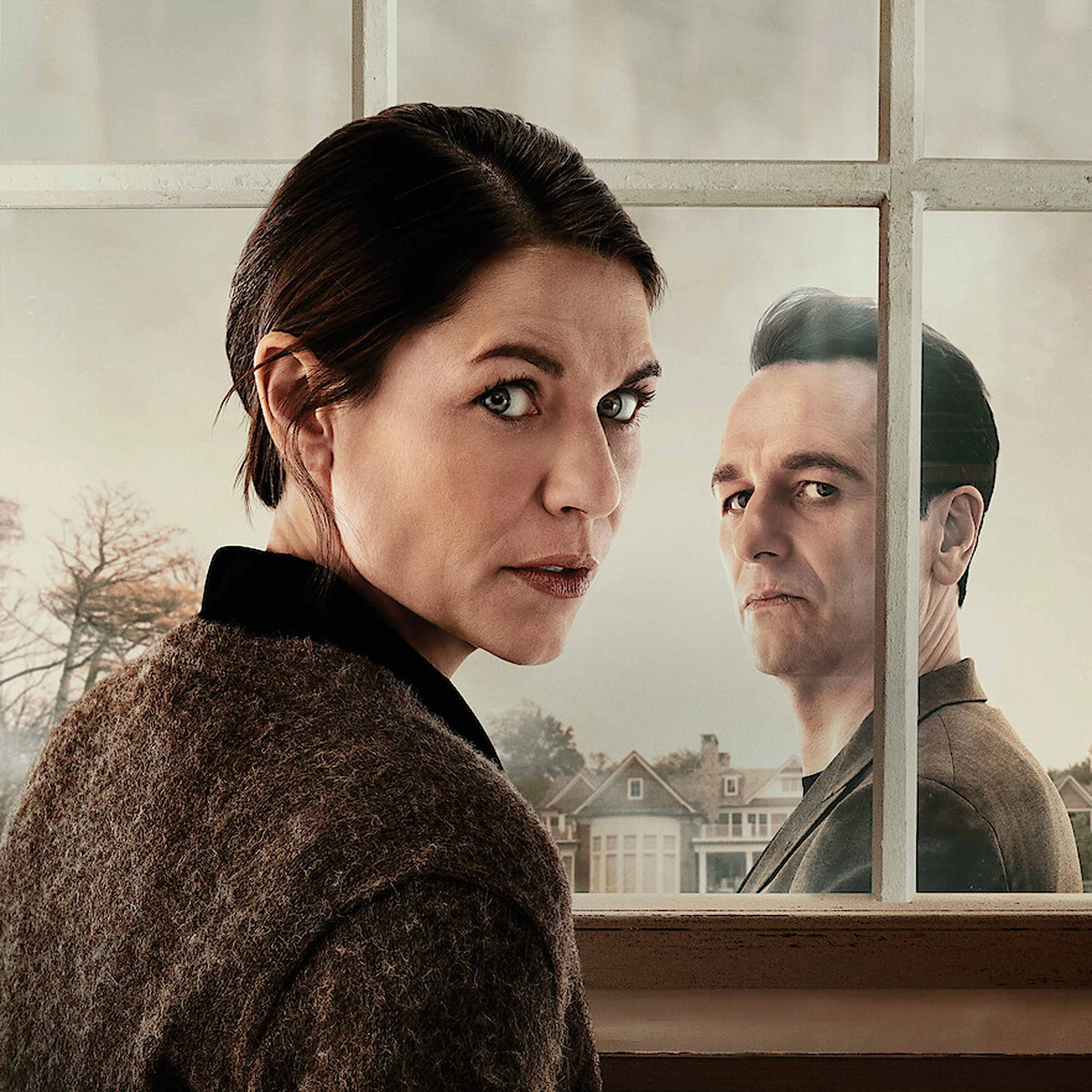
Starring CLAIRE DANES & MATTHEW RHYS
A Conversation with Showrunner, Exec. Producer HOWARD GORDON & Exec. Producer Writer DANIEL PEARLE

And I think there's also just something about an unfettered or uncensored id that is so captivating. We all have that fantasy of doing exactly what we want with no consequences and sort of letting that go. I think when you see an athlete at the peak of their game, doing that embodied thing and living that dream, or when someone has actually done horrible things that you would never allow yourself to do, there is a fascination there. I had one teacher who said, "Anyone who drives you crazy or that you just cannot stand in life, put them in a play or put them in a scene, and the audience will love them." If someone has really gotten under your skin and you just cannot stand them, and you have a visceral reaction—like, "I just hate this person"—make them a character, and the audience will make them everyone's favorite character. There is something to that.

The Beast in Me starring CLAIRE DANES - Behind the Scenes w/ HOWARD GORDON & DANIEL PEARLE

The Beast in Me starring CLAIRE DANES - Behind the Scenes w/ HOWARD GORDON & DANIEL PEARLE

Starring CLAIRE DANES & MATTHEW RHYS
A Conversation with Showrunner, Exec. Producer HOWARD GORDON & Exec. Producer Writer DANIEL PEARLE

And I think there's also just something about an unfettered or uncensored id that is so captivating. We all have that fantasy of doing exactly what we want with no consequences and sort of letting that go. I think when you see an athlete at the peak of their game, doing that embodied thing and living that dream, or when someone has actually done horrible things that you would never allow yourself to do, there is a fascination there. I had one teacher who said, "Anyone who drives you crazy or that you just cannot stand in life, put them in a play or put them in a scene, and the audience will love them." If someone has really gotten under your skin and you just cannot stand them, and you have a visceral reaction—like, "I just hate this person"—make them a character, and the audience will make them everyone's favorite character. There is something to that.

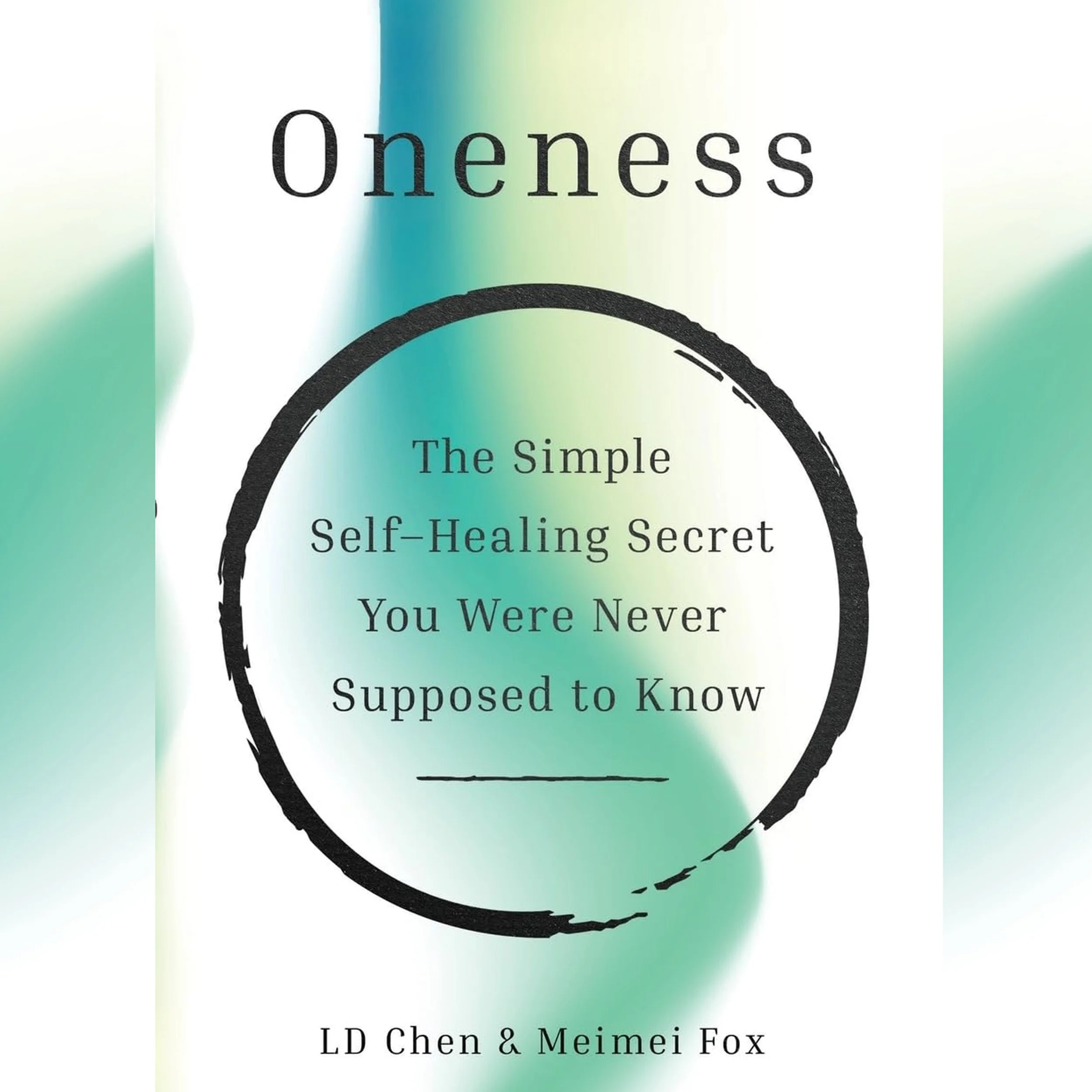
On Oneness & Self-Healing w/ LD Chen - Head Coach, Oneness Institute, US & EU - Highlights

On Oneness & Self-Healing w/ LD Chen - Head Coach, Oneness Institute, US & EU - Highlights

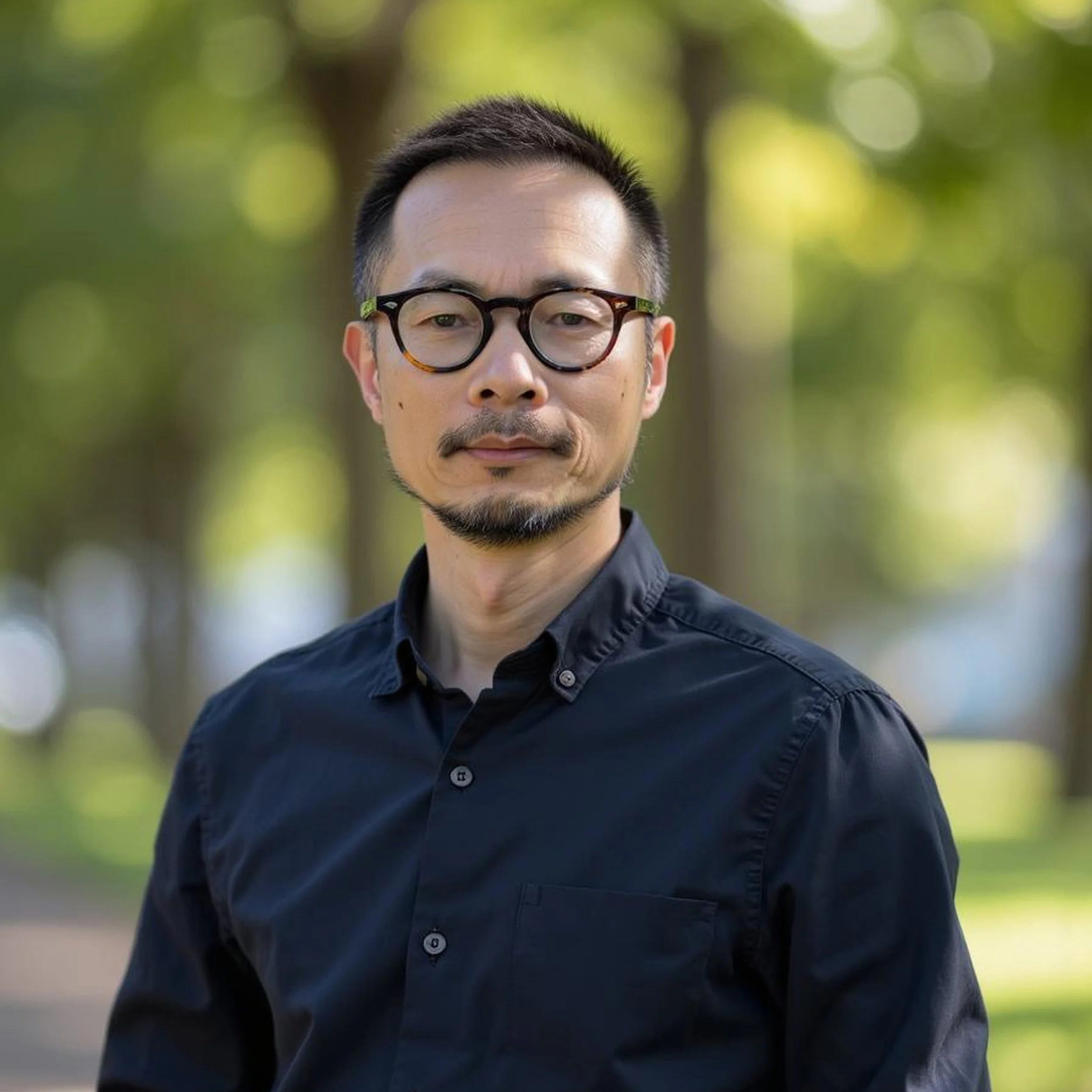
A Conversation with LD CHEN · A 4th Generation of Dacheng Quan · Head Coach of Oneness Institute of America & Europe

Oneness is actually not about learning in the usual way. Most teachings tell you how to learn — how to let go, how to calm down, how to manage anger. Oneness does the opposite: we stand, we train the body to correct the heart, and then we live from that heart.

Oneness: A Way of Living with LD Chen - Author & Head Coach, Oneness Institute, US & EU

Oneness: A Way of Living with LD Chen - Author & Head Coach, Oneness Institute, US & EU

A Conversation with LD CHEN · A 4th Generation of Dacheng Quan · Head Coach of Oneness Institute of America & Europe

Oneness is actually not about learning in the usual way. Most teachings tell you how to learn — how to let go, how to calm down, how to manage anger. Oneness does the opposite: we stand, we train the body to correct the heart, and then we live from that heart.

Listening to the Planet -  Writers' Perspectives on Nature, Place & Interconnectedness

Listening to the Planet - Writers' Perspectives on Nature, Place & Interconnectedness

Katie Kitamura, Eiren Caffall, Jay Parini, Irvin Weathersby Jr., Natasha Hakimi Zapata, Audrea Lim & Dr. Bayo Akomolafe share their stories

How do our environments shape who we are and how we care for the world and each other? There are many solutions to climate change, inequality, and poverty around the world. How can we learn from them and transform our society?

The Arrogant Ape: The Myth of Human Exceptionalism & Why it Matters with CHRISTINE WEBB

The Arrogant Ape: The Myth of Human Exceptionalism & Why it Matters with CHRISTINE WEBB

A Conversation with Primatologist CHRISTINE WEBB

There are many ways in which I think human exceptionalism has seeped into the sciences, but one of the many ways is through the methodologies we use when we compare the intelligence of humans and other species. In particular, in my field, I’m a primatologist by training, comparing the cognitive abilities of humans with the abilities of our closest living relatives, the great apes. Many times, those studies compare the intelligence of captive chimpanzees who are living in highly restricted, manmade environments. Often, these chimpanzees have been separated from their biological mothers at birth. They're often separated from the group during testing. They're subjected to very human-centric experimental paradigms, like playing with plastic puzzle boxes or computer touchscreens, and we're measuring how they perform on these tasks.

How to Make an Algorithm in the Microwave with Poet MAYA SALAMEH

How to Make an Algorithm in the Microwave with Poet MAYA SALAMEH

Poetry is like one of the great loves of my life, and I think it's probably the longest relationship I'll ever have. I read a lot of poetry. I also wrote these short stories even when I was pretty young, like in second grade, and the stories kept getting shorter and shorter. My family used to go to Damascus in Syria and Lebanon every summer for three months until 2011, when the Civil War broke out in Syria. In 2015, we made our first return after that gap, and my father and I went to Lebanon for two weeks. It's the first time I felt that I belong. To the extent that was true or not, I'm obviously irrevocably American. I speak broken Arabic. I don't think I could ever live in Lebanon or Syria. But for what it was worth at 15 years old, it was a life-changing trip. I wrote my first official poem on the plane back to San Diego from that trip, and I feel that was a formative moment for me. I felt that I had a story to tell and wanted to put it to paper in the form of poetry.

In 2015, we made our first return after that gap, and my father and I went to Lebanon for two weeks. Being back in one of my two homelands as a more fully formed person and not like a young child, I thought, "Wow, this is the first time I've been in an Arabic-speaking Arab place as a teenager." 

 Empire of AI: Dreams & Nightmares in Sam Altman's Open AI with KAREN HAO

 Empire of AI: Dreams & Nightmares in Sam Altman's Open AI with KAREN HAO

My book is called Empire of AI because I'm trying to articulate this argument and illustrate that these companies operate exactly like empires of old. I highlight four features that essentially encapsulate the three things you read. However, I started talking about it in a different way after writing the book.

The four features are: they lay claim to resources that are not their own, which is the centralization of resources; they exploit an extraordinary amount of labor, both in the development of the technology and the fact that they're producing labor-automating technologies that then suppress workers' ability to bargain for better rights; they monopolize knowledge production, which comes when they centralize talent.

Why We Need Stories in Times of Crisis: ETGAR KERET on Healing, Connection & Creativity in the Age of AI - Highlights

Why We Need Stories in Times of Crisis: ETGAR KERET on Healing, Connection & Creativity in the Age of AI - Highlights

A Conversation with Author · Filmmaker ETGAR KERET
Winner of Cannes Film Festival’s Caméra d’Or · Charles Bronfman Prize & Sapir Prize

When I write my stories, I don't want to solve things in life. I just want to persuade myself that there is a way out. Maybe I am in a cell, maybe I'm trapped. Maybe I won't make it, but if I can imagine a plan for escape, then I'll be less trapped because at least in my mind, there is a way. I think that my parents are survivors. They always talked about this idea of humanity. My parents always said to me, when you look at people, don't look at their political views; that's not important. Look at the way that they look at you. If they see you, if they listen to you, if they can understand your intention, even if it's a failing one, they're your people. And if they can't, it doesn't matter.

I think that when I came with my mother and father, they thought there are people, there are human beings, and there are people who want to be human beings but are still struggling. And you go with humanity; you go with the person who can go against his ideology if his heart tells him something.

Finding Humanity Through Storytelling with Author & Filmmaker ETGAR KERET

Finding Humanity Through Storytelling with Author & Filmmaker ETGAR KERET

A Conversation with Author · Filmmaker ETGAR KERET
Winner of Cannes Film Festival’s Caméra d’Or · Charles Bronfman Prize & Sapir Prize

When I write my stories, I don't want to solve things in life. I just want to persuade myself that there is a way out. Maybe I am in a cell, maybe I'm trapped. Maybe I won't make it, but if I can imagine a plan for escape, then I'll be less trapped because at least in my mind, there is a way. I think that my parents are survivors. They always talked about this idea of humanity. My parents always said to me, when you look at people, don't look at their political views; that's not important. Look at the way that they look at you. If they see you, if they listen to you, if they can understand your intention, even if it's a failing one, they're your people. And if they can't, it doesn't matter.

I think that when I came with my mother and father, they thought there are people, there are human beings, and there are people who want to be human beings but are still struggling. And you go with humanity; you go with the person who can go against his ideology if his heart tells him something.

Arabic Literature, Palestine & The Art of Translation with HUDA FAKHREDDINE

Arabic Literature, Palestine & The Art of Translation with HUDA FAKHREDDINE

A Conversation with HUDA FAKHREDDINE
Writer · Translator · Associate Professor of Arabic Literature · University of Pennsylvania

I'm Lebanese. I grew up in Lebanon during the Civil War, and I came to the United States as a graduate student with the intention of going back. I never wanted to stay here. I really thought that my life would happen in Beirut, in a city that I loved and hated in the healthiest of ways. My investments, both literary and intellectual, were rooted there. I came here as a graduate student and joined the PhD program, and then the events continued to unfold there, making life more and more of a risk, building a life in a place like Lebanon. The most important counterpoint in my life was meeting my partner, Ahmad Almallah, who is Palestinian. So immediately, my life became the life of a Palestinian by association. Of course, the past two years—almost two years—have been surreal. I sometimes don't believe that we're going through what we're going through because, as security concerns have become something we think about at home, when we walk from home to campus or my office, I'm constantly anxious to open my mail because often there are things that will require a lot of energy, time, emotion, and are emotionally taxing. There’s a lot of rage now in many aspects of my life, but all that aside, my personal experience—both professional and personal, and at home, familial—are not exceptional. Many other people are experiencing intimidation, silencing, and feeling cornered, censored, and oppressed just because they took a stand—a very decent, normal, basic human stand against genocide.