(Highlights) PETER BOAL

(Highlights) PETER BOAL

Artistic Director of Pacific Northwest Ballet

Dance is for everyone. That’s the mission. We see people that might not be able to encounter dance in so many ways because it’s not something that their school offers…and I think traditionally ballet has felt like it can be an elitist art form. Only certain people are invited. You have to have a certain type of foot. You have to have a long neck. You may have to have finances to be able to study ballet. We would like to eliminate that and make sure that it’s available for everybody to sort of dip their toe in and get a sense of it and have an experience of dance.
PETER BOAL

PETER BOAL

Artistic Director of Pacific Northwest Ballet

Dance is for everyone. That’s the mission. We see people that might not be able to encounter dance in so many ways because it’s not something that their school offers…and I think traditionally ballet has felt like it can be an elitist art form. Only certain people are invited. You have to have a certain type of foot. You have to have a long neck. You may have to have finances to be able to study ballet. We would like to eliminate that and make sure that it’s available for everybody to sort of dip their toe in and get a sense of it and have an experience of dance.
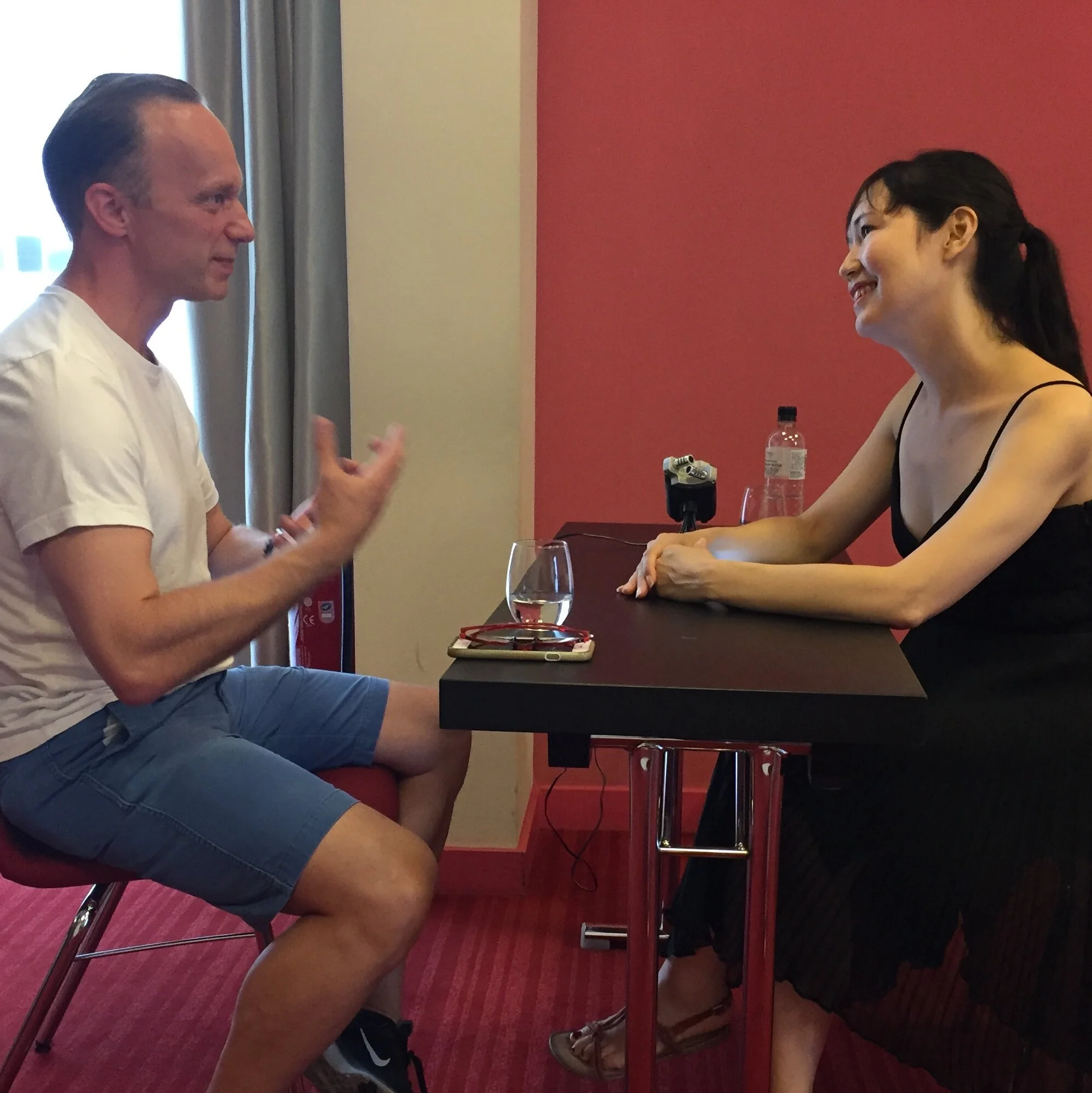
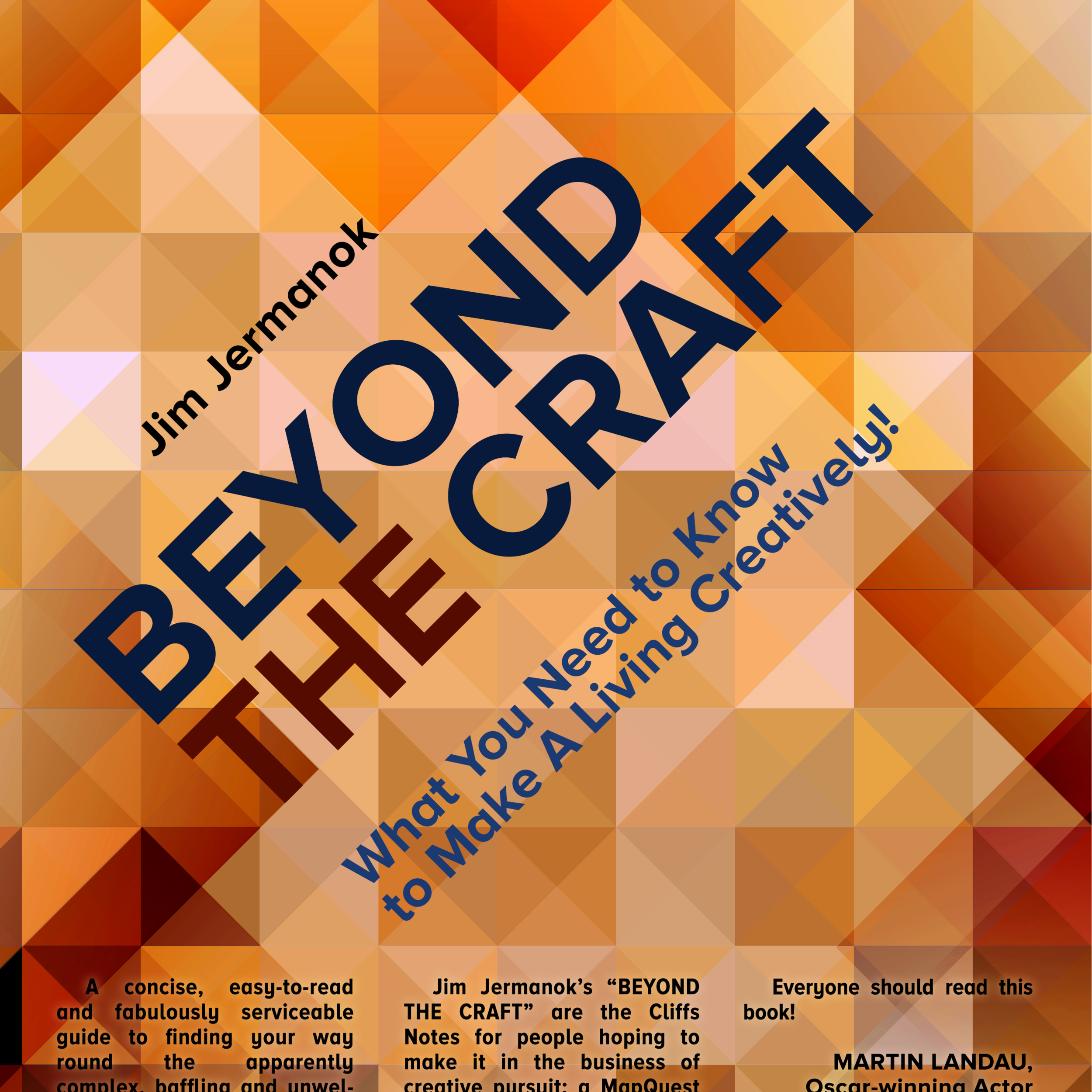
(Highlights) JIM JERMANOK

(Highlights) JIM JERMANOK

Award-Winning Writer, Director, Producer, Speaker
& Author of Beyond The Craft: What You Need to Know to Make A Living Creatively!

I like uncovering truth about behaviour, about history. I think all artists are attracted to unveiling truth. I think it’s a mirror of our society, of our world. It’s the soul of our world.


I like uncovering truth about behaviour, about history. I think all artists are attracted to unveiling truth. I think it’s a mirror of our society, of our world. It’s the soul of our world.

JIM JERMANOK

JIM JERMANOK

Award-Winning Writer, Director, Producer, Speaker
& Author of Beyond The Craft: What You Need to Know to Make A Living Creatively!

I like uncovering truth about behaviour, about history. I think all artists are attracted to unveiling truth. I think it’s a mirror of our society, of our world. It’s the soul of our world.


I like uncovering truth about behaviour, about history. I think all artists are attracted to unveiling truth. I think it’s a mirror of our society, of our world. It’s the soul of our world.

(Highlights) KAREN PINKUS

(Highlights) KAREN PINKUS

Author of Fuel: A Speculative Dictionary
Professor of Italian & Comparative Literature, Cornell University

For many years I wrote, taught, and published about climate change from a more philosophical, existential point of view, especially thinking about deep time, but I did come back to fuels with my Fuel book in part for the fact that so much of the press and so much of public discourse confuses fuel and energy, and it’s still happening today. I thought about this so long and the same themes, the same tropes are still being recycled.

KAREN PINKUS

KAREN PINKUS

Author of Fuel: A Speculative Dictionary
Professor of Italian & Comparative Literature, Cornell University

For many years I wrote, taught, and published about climate change from a more philosophical, existential point of view, especially thinking about deep time, but I did come back to fuels with my Fuel book in part for the fact that so much of the press and so much of public discourse confuses fuel and energy, and it’s still happening today. I thought about this so long and the same themes, the same tropes are still being recycled.

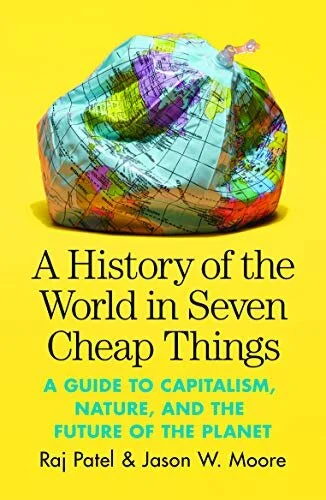
JASON W. MOORE

JASON W. MOORE

Environmental Historian, Historical Geographer & Professor of Sociology · Binghamton University

We’re not waiting for the disasters to happen. They have happened. They are happening, and the disasters aren’t natural. They involve climate, but the disasters are very much made by the conditions of capitalist accumulation. We are not going to be able to grapple with the challenges of planetary crisis with the thinking that created planetary crisis.


(Highlights) JASON W. MOORE

(Highlights) JASON W. MOORE

Environmental Historian, Historical Geographer & Professor of Sociology · Binghamton University

We’re not waiting for the disasters to happen. They have happened. They are happening, and the disasters aren’t natural. They involve climate, but the disasters are very much made by the conditions of capitalist accumulation. We are not going to be able to grapple with the challenges of planetary crisis with the thinking that created planetary crisis.


(Highlights) BRIGHT SHENG

(Highlights) BRIGHT SHENG

MacArthur & ASCAP Award-Winning Composer, Conductor & Pianist

I try to preserve the Chinese music flavor. So, you imagine in Chinese band, the country music that people usually reserve for weddings or for big moments or for funerals. That kind of a feeling. Drums and music playing. I try to preserve it from my memory because what we have now is just a tune. You can probably recognize the tune, but the execution of translating that for a Western orchestra and make it sound like it’s a Chinese band playing Chinese instruments.

BRIGHT SHENG

BRIGHT SHENG

MacArthur & ASCAP Award-Winning Composer, Conductor & Pianist

I try to preserve the Chinese music flavor. So, you imagine in Chinese band, the country music that people usually reserve for weddings or for big moments or for funerals. That kind of a feeling. Drums and music playing. I try to preserve it from my memory because what we have now is just a tune. You can probably recognize the tune, but the execution of translating that for a Western orchestra and make it sound like it’s a Chinese band playing Chinese instruments.

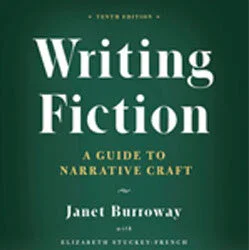
(Highlights) JANET BURROWAY

(Highlights) JANET BURROWAY

Novelist, Playwright & Author of Most Widely Used Creative Writing Text in America

There’s a lot of controversy about that idea at the moment, about whether fiction is truly empathic and how much freedom the imagination should have because, as one of my friends says, the imagination is not free. It comes from all of the places that we come from. So it’s a controversial notion, but I am firmly on the side of literature is empathic. In fact, I think that all the arts are empathic because all the arts basically say, ‘Wait a minute. Look at it this way.’ And they allow us to see from some other vantage point than our extremely self-interested selves.

JANET BURROWAY

JANET BURROWAY

Novelist, Playwright & Author of Most Widely Used Creative Writing Text in America

There’s a lot of controversy about that idea at the moment, about whether fiction is truly empathic and how much freedom the imagination should have because, as one of my friends says, the imagination is not free. It comes from all of the places that we come from. So it’s a controversial notion, but I am firmly on the side of literature is empathic. In fact, I think that all the arts are empathic because all the arts basically say, ‘Wait a minute. Look at it this way.’ And they allow us to see from some other vantage point than our extremely self-interested selves.

(Highlights) ROBERT AXELROD

(Highlights) ROBERT AXELROD

Former Consultant for the UN, World Bank & US Department of Defense
Professor Emeritus of Political Science & Public Policy at University of Michigan
National Medal of Science Award-Winner

I think the most critical thing is education for critical thinking. The ability to listen to a political argument or an argument of any sort, on COVID, for example, or climate change, and not necessarily understand the science behind that, but to understand how to evaluate the credibility of the speaker, how to evaluate the logic of the arguments and to see whether a conspiracy theory is behind this that has no grounding… And so I think what’s especially important in would be an educational in critical thinking.

ROBERT AXELROD

ROBERT AXELROD

Former Consultant for the UN, World Bank & US Department of Defense
Professor Emeritus of Political Science & Public Policy at University of Michigan
National Medal of Science Award-Winner

I think the most critical thing is education for critical thinking. The ability to listen to a political argument or an argument of any sort, on COVID, for example, or climate change, and not necessarily understand the science behind that, but to understand how to evaluate the credibility of the speaker, how to evaluate the logic of the arguments and to see whether a conspiracy theory is behind this that has no grounding… And so I think what’s especially important in would be an educational in critical thinking.

(Highlights) CAROLYN WATERS BROE

(Highlights) CAROLYN WATERS BROE

Founding Conductor of the Four Seasons Orchestra
Principal Violist of the Scottsdale Philharmonic

I feel that the earth is like a classroom for soul growth and we’re put here to overcome challenges, and we may be working on something like humility or compassion or love of humanity. The challenges might be something like war or cancer. Everybody gets a challenge to work on in their lives, but they also get a great gift to help them through those challenges. You just have to know how to use those gifts.

CAROLYN WATERS BROE

CAROLYN WATERS BROE

Founding Conductor of the Four Seasons Orchestra
Principal Violist of the Scottsdale Philharmonic

I feel that the earth is like a classroom for soul growth and we’re put here to overcome challenges, and we may be working on something like humility or compassion or love of humanity. The challenges might be something like war or cancer. Everybody gets a challenge to work on in their lives, but they also get a great gift to help them through those challenges. You just have to know how to use those gifts.

(Highlights) STUART UMPLEBY

(Highlights) STUART UMPLEBY

Professor Emeritus of Management at George Washington University School of Business
Former President of the American Society of Cybernetics
Associate Editor of the Journal of Cybernetics and Systems

“Cybernetics is the Greek word for governor, that’s where it came from. It was introduced into the contemporary discussion with a book by Norbert Wiener in 1948 called Cybernetics: Or Control and Communication in the Animal and the Machine. These were the very early days of computers and they were looking for a theory to guide the creation of computers.”

STUART UMPLEBY

STUART UMPLEBY

Professor Emeritus of Management at George Washington University School of Business
Former President of the American Society of Cybernetics
Associate Editor of the Journal of Cybernetics and Systems

“Cybernetics is the Greek word for governor, that’s where it came from. It was introduced into the contemporary discussion with a book by Norbert Wiener in 1948 called Cybernetics: Or Control and Communication in the Animal and the Machine. These were the very early days of computers and they were looking for a theory to guide the creation of computers.”

(Highlights) YANN MARTEL

(Highlights) YANN MARTEL

Novelist

It's interesting to me that the West has been shaped by two works of fiction, The Iliad and The Odyssey and the Gospels, which are prehistoric artistic works. The West has two feet. They're both fictional feet, and after that we started being rational and reasonable.

YANN MARTEL

YANN MARTEL

Booker Prize-winning Novelist

It's interesting to me that the West has been shaped by two works of fiction, The Iliad and The Odyssey and the Gospels, which are prehistoric artistic works. The West has two feet. They're both fictional feet, and after that we started being rational and reasonable.