DAVID PALUMBO-LIU

DAVID PALUMBO-LIU

Writer, Activist, Comparative Literature Professor
Author of Speaking Out of Place: Getting Our Political Voices Back

To explore different worlds. That’s what literature has taught me. Reading has taught me how difficult it is to write well, to do you something other than the mundane or the expected, so all those things point to a kind of human creativity and a human capacity to both create and also to learn. To learn about life in different ways and to pass on those lessons to other people. One thing I think great teachers do is to embody what they talk about, the values that they profess, the things they feel are important in their everyday lives outside of the literature. So when I become involved in politics or a cause, it’s a reflection of what I've learned through any number of things including literature. Literature doesn’t stand alone. Literature is part of the world.

In Memory of TONY WALTON · 1934-2022 (Part 2)

In Memory of TONY WALTON · 1934-2022 (Part 2)

Art and Theater Director, Costume Designer

Creativity is perhaps the ultimate mystery. I veer wildly between opposing views on it and have different feelings depending on whether the creator is isolated or a collaborator.

In Memory of TONY WALTON · 1934-2022 (Part 1)

In Memory of TONY WALTON · 1934-2022 (Part 1)

Art and Theater Director, Costume Designer

Creativity is perhaps the ultimate mystery. I veer wildly between opposing views on it and have different feelings depending on whether the creator is isolated or a collaborator.

(Highlights) DOUGLAS WOLK

(Highlights) DOUGLAS WOLK

Author of NYTimes bestseller All of the Marvels, Eisner Award–winning Reading Comics
Host of the Voice of Latveria podcast

I like the idea that your actions in the world can be motivated by both idealism and realism about how to achieve those ideals. I like the idea that morality is not simple. There is this idea that there are the heroes and there's the villains and you can easily tell who's who, and that's not so true as it used to be in comics and that's meaningful. One thing that is interesting about the Marvel story is there’s basically nobody who's just a bad guy to be a bad guy. Everyone has their reasons. Almost everyone is capable of redemption in some way, even the worst of the worst are capable of tremendous heroism and tremendous idealism and genuinely wanting to heal the world make it a better place.

DOUGLAS WOLK

DOUGLAS WOLK

Author of NYTimes bestseller All of the Marvels, Eisner Award–winning Reading Comics
Host of the Voice of Latveria podcast

I like the idea that your actions in the world can be motivated by both idealism and realism about how to achieve those ideals. I like the idea that morality is not simple. There is this idea that there are the heroes and there's the villains and you can easily tell who's who, and that's not so true as it used to be in comics and that's meaningful. One thing that is interesting about the Marvel story is there’s basically nobody who's just a bad guy to be a bad guy. Everyone has their reasons. Almost everyone is capable of redemption in some way, even the worst of the worst are capable of tremendous heroism and tremendous idealism and genuinely wanting to heal the world make it a better place.

(Highlights) JP OUELLETTE & DYLAN MATLOCK

(Highlights) JP OUELLETTE & DYLAN MATLOCK

Producers of the Award-Winning Mass starring Reed Birney, Ann Dowd, Jason Isaacs & Martha Plimpton

“Usually we just see the soundbites and the news and then there's a new one or a new story, the politics that takes away from what these families are going. These people in these towns are just glossed over, looked over. And that's not the case in real life. They live with this trauma forever…What I hope the next generation takes us just to absorb everything from our generation and our parents’ generation. There are a lot of living generations right now. The longevity of people and the young families, it’s amazing. I had five generations of my family alive at one point in my life, and it was just the most amazing I've ever been a part of.” –JP Ouellette

JP OUELLETTE & DYLAN MATLOCK

JP OUELLETTE & DYLAN MATLOCK

Producers of the Award-Winning Mass starring Reed Birney, Ann Dowd, Jason Isaacs & Martha Plimpton

“Usually we just see the soundbites and the news and then there's a new one or a new story, the politics that takes away from what these families are going. These people in these towns are just glossed over, looked over. And that's not the case in real life. They live with this trauma forever…What I hope the next generation takes us just to absorb everything from our generation and our parents’ generation. There are a lot of living generations right now. The longevity of people and the young families, it’s amazing. I had five generations of my family alive at one point in my life, and it was just the most amazing I've ever been a part of.” –JP Ouellette

(Highlights) VOICES OF THE SHINNECOCK INDIAN NATION

(Highlights) VOICES OF THE SHINNECOCK INDIAN NATION

We're all part of a web like a dreamcatcher. Everybody knows a dreamcatcher and whatever you do that’s wrong will eventually come back and affect you because we’re all connected.

SHINNECOCK INDIAN NATION

SHINNECOCK INDIAN NATION

We're all part of a web like a dreamcatcher. Everybody knows a dreamcatcher and whatever you do that’s wrong will eventually come back and affect you because we’re all connected.

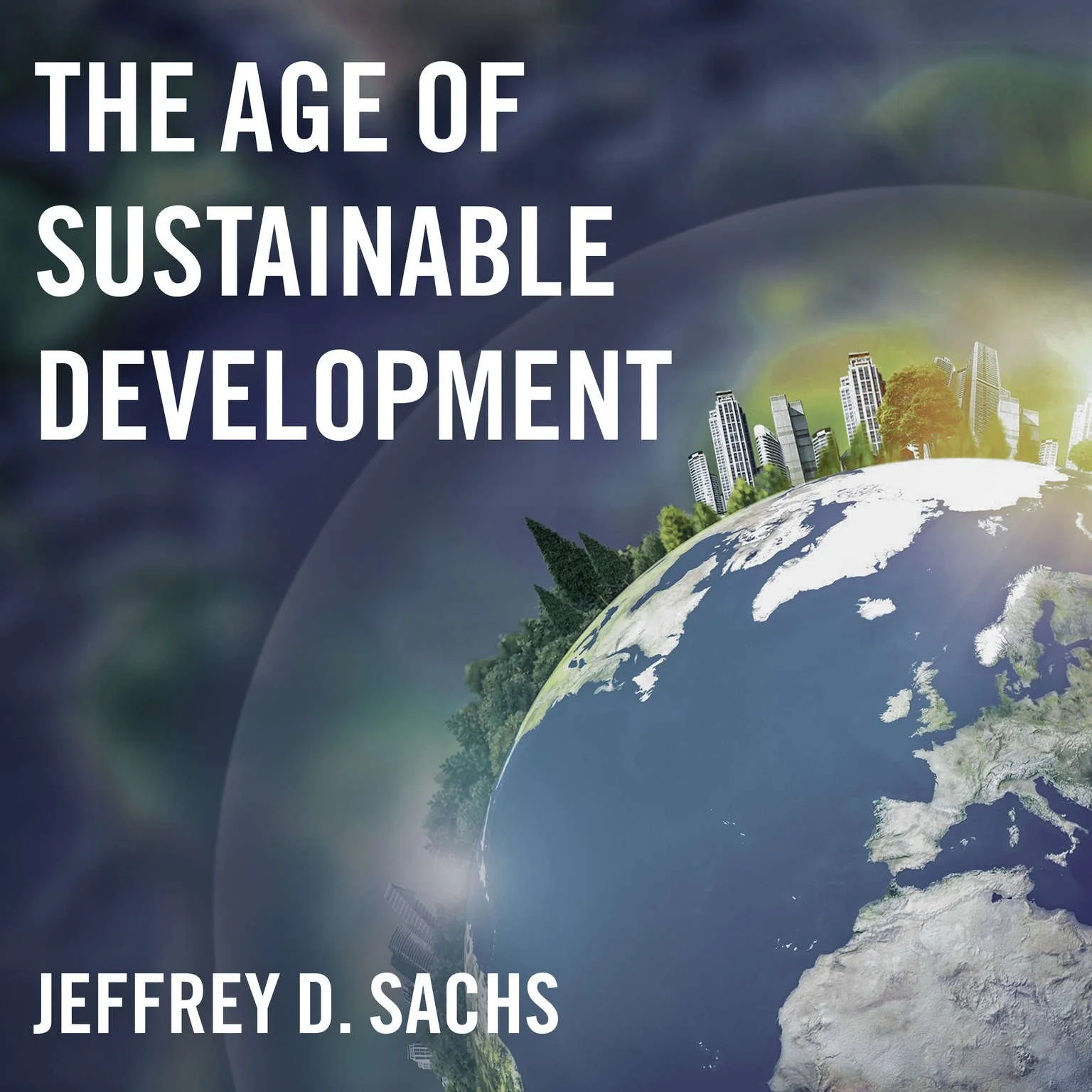
(Highlights) JEFFREY D. SACHS

(Highlights) JEFFREY D. SACHS

President of UN Sustainable Development Solutions Network
Director of Center for Sustainable Development, Columbia University

If we’re badly educated, we’re not going to make it on this planet. If I had to put my finger on one Sustainable Development Goal above all else, it is let’s empower young people so that they know the future. They know the world that they’re going to be leading soon. They can do something about it…If you’re in elementary school up to university, you should be learning–What is climate change? What is biodiversity? What can we do about it? And this kind of learning is not only book learning, but is also experiential learning.

JEFFREY D. SACHS

JEFFREY D. SACHS

President of UN Sustainable Development Solutions Network
Director of Center for Sustainable Development, Columbia University

If we’re badly educated, we’re not going to make it on this planet. If I had to put my finger on one Sustainable Development Goal above all else, it is let’s empower young people so that they know the future. They know the world that they’re going to be leading soon. They can do something about it…If you’re in elementary school up to university, you should be learning–What is climate change? What is biodiversity? What can we do about it? And this kind of learning is not only book learning, but is also experiential learning.

(Highlights) GEORGE ELLIS

(Highlights) GEORGE ELLIS

Cosmologist, Theoretical physicist & Star of South Africa Medal Recipient

Artistic creativity and it’s crucial to artistic creativity amongst many other things. In artistic creativity, from my viewpoint, is that you start off with an idea and you’re shaping and you’re totally in control and it doesn’t matter if it's music or sculpture or painting or a novel, eventually the thing sparks its own life, becomes itself, and at that point, the role of the artist is to stand back and let it become what its got to become. And that’s where you get the great art.

GEORGE ELLIS

GEORGE ELLIS

Cosmologist, Theoretical physicist & Star of South Africa Medal Recipient

Artistic creativity and it’s crucial to artistic creativity amongst many other things. In artistic creativity, from my viewpoint, is that you start off with an idea and you’re shaping and you’re totally in control and it doesn’t matter if it's music or sculpture or painting or a novel, eventually the thing sparks its own life, becomes itself, and at that point, the role of the artist is to stand back and let it become what its got to become. And that’s where you get the great art.

(Highlights) KYLE HARPER

(Highlights) KYLE HARPER

Author of Plagues upon the Earth: Disease and the Course of Human History
G.T. & Libby Blankenship Chair in the History of Liberty, Professor of Classics & Letters, University of Oklahoma

Human well-being is both a question of social development in a very holistic sense that people have jobs that provide adequate food and clean water as well as the elimination of dangerous microbes, and so the question is how do societies continue to develop in a way that's globally equitable and sustainable and that's really one of wicked hardest problems on the planet is how do we continue to experience growth without having carbon emissions that make growth and impossible, that continue to hold societies in poverty, and that continue to imperil human health.

KYLE HARPER

KYLE HARPER

Author of Plagues upon the Earth: Disease and the Course of Human History
G.T. & Libby Blankenship Chair in the History of Liberty, Professor of Classics & Letters, University of Oklahoma

Human well-being is both a question of social development in a very holistic sense that people have jobs that provide adequate food and clean water as well as the elimination of dangerous microbes, and so the question is how do societies continue to develop in a way that's globally equitable and sustainable and that's really one of wicked hardest problems on the planet is how do we continue to experience growth without having carbon emissions that make growth and impossible, that continue to hold societies in poverty, and that continue to imperil human health.

(Highlights) BRUCE PIASECKI, PhD

(Highlights) BRUCE PIASECKI, PhD

NYT Bestselling Author of A New Way to Wealth · Doing More with Teams
Founder of AHC Group

Each day you wake up you make decisions that shape your own fate, your ascent, position, your own creativity. I like to think of it as fate is a personal construct. When I was at Cornell they had me teach an Emerson essay called “Freedom and Fate” where he said that fate was so overwhelming in some traditions that it’s as though we were each involved in a shipwreck and we were each thrown off the ship and all we had a chance to do was look at each other. I’ve come to believe is that not only is the future near you can design your own life.

BRUCE PIASECKI, PhD

BRUCE PIASECKI, PhD

NYT Bestselling Author of A New Way to Wealth · Doing More with Teams
Founder of AHC Group

Each day you wake up you make decisions that shape your own fate, your ascent, position, your own creativity. I like to think of it as fate is a personal construct. When I was at Cornell they had me teach an Emerson essay called “Freedom and Fate” where he said that fate was so overwhelming in some traditions that it’s as though we were each involved in a shipwreck and we were each thrown off the ship and all we had a chance to do was look at each other. I’ve come to believe is that not only is the future near you can design your own life.

(Highlights) GAURAV GUPTA

(Highlights) GAURAV GUPTA

Director of Kotter International · Co-author of Change: How Organizations Achieve Hard to Imagine Results in Uncertain & Volatile Times

How do you get people to have a sense of urgency to actually take action and do something different? What we're finding is the learnings from business very much do apply to other spheres and also more generally do challenges like climate change. We’re facing the question of how do you get more people to actually be willing to take real meaningful action.

GAURAV GUPTA

GAURAV GUPTA

Director of Kotter International · Co-author of Change: How Organizations Achieve Hard to Imagine Results in Uncertain & Volatile Times

How do you get people to have a sense of urgency to actually take action and do something different? What we're finding is the learnings from business very much do apply to other spheres and also more generally do challenges like climate change. We’re facing the question of how do you get more people to actually be willing to take real meaningful action.

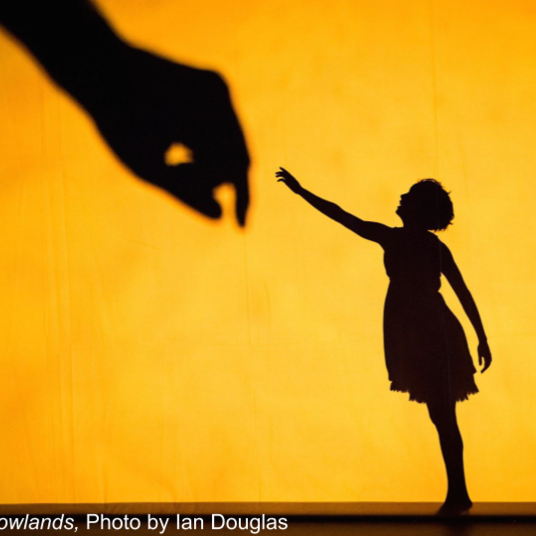
(Highlights) RENEÉ JAWORSKI · MATT KENT · EMILY KENT

(Highlights) RENEÉ JAWORSKI · MATT KENT · EMILY KENT

Pilobolus Dance Company
Highlights

I guess the part that's our thing is the method or process that Renée Jaworski was describing. The constraint, the framework that we try to put on what we're doing includes that, for this time, let's not map everything out first and try and realize the vision that one person has but to put people together, as Renée was saying, and have something else emerge that's a product of everybody that's involved. Penn Jillette, who we were honored to work with, the way he put it is, "You're not a collective, you're not looking the same, talking the same, you don't use the same terms for movement. All the dancers look different, and they think differently as well. –MATT KENT